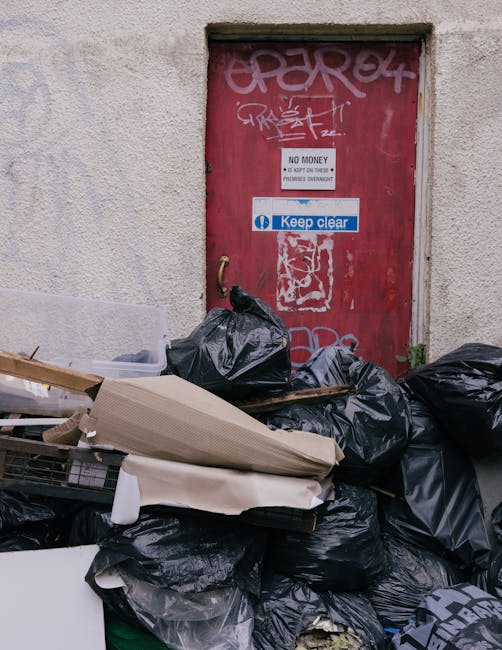
Avoid hidden rubbish removal fees in Mortlake
If you are trying to avoid hidden rubbish removal fees in Mortlake, you are probably doing the sensible thing: slowing down before you book. Too many people only look at the headline price, then get stung later by extras for loading, labour, stairs, heavier waste, missed access, or items they assumed were included. Annoying? Absolutely. But avoidable, yes.
This guide breaks down how rubbish removal pricing should work, where the sneaky add-ons usually appear, and what to check before you agree to anything. It is written for real life in Mortlake, where parking can be tight, access can be awkward, and a simple clearance can turn into a small logistics puzzle if nobody has asked the right questions.
By the end, you will know how to compare quotes properly, what to confirm in writing, and how to spot the difference between a fair price and a quote that looks cheap only because half the job has been left out. Let's face it, nobody enjoys arguing over a van load of old furniture or a pile of builders' rubble at the kerb.
Table of Contents
- Why avoiding hidden rubbish removal fees in Mortlake matters
- How rubbish removal pricing works
- Key benefits and practical advantages
- Who this is for and when it makes sense
- Step-by-step guidance
- Expert tips for better results
- Common mistakes to avoid
- Tools, resources and recommendations
- Law, compliance, standards and best practice
- Options, methods and comparison
- Case study or real-world example
- Practical checklist
- Conclusion
- Frequently asked questions
Why avoiding hidden rubbish removal fees in Mortlake matters
Hidden charges are not just a budgeting nuisance. They can change the whole experience of getting rid of waste. A job that started as a neat flat-clearance quote can suddenly cost more because of stair carry, narrow access, extra labour, or waste types that need special handling. If you did not ask the right questions upfront, you are left paying for the gap between assumption and reality.
In Mortlake, that gap can appear quickly. A terraced property with limited loading space, a flat above ground level, or a property with awkward rear access can all affect the final price. So can the timing of the collection and whether the team can park close enough to the property. None of this is unusual. It is just the sort of thing that should be explained clearly before anyone starts lifting bags.
There is also a trust issue. Transparent pricing tells you a company knows its work well enough to quote properly. Vague pricing often means the opposite. If a provider cannot explain what is included, you have no real way to compare them fairly with other services such as general waste removal, house clearance, or garage clearance. And frankly, a cheap-looking quote that turns into a bigger bill is not cheap at all.
Quick takeaway: the safest quote is usually the one that explains labour, access, waste type, and disposal in plain English. If it feels vague, keep asking.
How rubbish removal pricing works
Most rubbish removal services price jobs using a mix of volume, weight, labour, and access. That is the broad idea. The exact structure varies, but the main cost drivers are usually predictable once you know what to look for.
1. Volume
Some companies charge by how much space your waste takes up in the vehicle. A few black bags may be a smaller job than a bulky wardrobe and mattress, even if the bags look "heavier" in the moment. Volume-based pricing is common because it is simple to estimate, but it only works properly when the provider is honest about what fits and what does not.
2. Weight
Heavy waste can cost more because it affects vehicle load, disposal fees, and manual handling. Builders' rubble, soil, tiles, and mixed construction debris are classic examples. If you are booking builders waste clearance, ask whether heavy materials are priced differently from general household waste. That one question alone can save a lot of awkwardness later.
3. Labour
Labour includes the time and effort needed to collect, carry, sort, and load the waste. A ground-floor collection at the front of a property is very different from carrying bulky items down several flights of stairs. A sofa in a hallway is one thing. A sofa wedged up three narrow floors at the end of a wet Wednesday afternoon is another story entirely.
4. Access
Access matters more than people expect. If the vehicle cannot park near the property, or if items have to be carried a long way, the work gets slower and more physically demanding. Good providers should ask about access in advance rather than springing a fee on you after arrival.
5. Waste type
Not all rubbish is treated the same. Standard household items are usually simpler than appliances, mattresses, confidential documents, or anything classed as hazardous. For example, a fridge, freezer, or washing machine may involve a separate disposal route, and hazardous materials need particular care. If your load includes anything unusual, it is worth checking the rules before collection. Services like fridge and appliance removal and hazardous waste disposal exist for a reason.
6. Disposal and recycling costs
Responsible disposal has a cost. Sorting, recycling, and compliance all take time. A decent provider will factor these responsibilities into the quote instead of disguising them as extras. If recycling is central to how the company works, you should see that reflected in the way they explain the job, not just in a polished slogan. You may also want to review their approach to recycling and sustainability.
Key benefits and practical advantages
Being careful about fees is not only about saving money, although that is obviously part of it. It also makes the whole clearance process calmer, faster, and easier to plan around.
- Better budgeting: you can plan the full job cost without leaving room for nasty surprises.
- Fair comparisons: quotes become easier to compare when you know exactly what each provider includes.
- Less disruption: the team arrives with clearer expectations, which usually makes the collection smoother.
- More trust: transparent pricing often reflects a more organised, professional service.
- Better timing: when everyone understands the job, collections are less likely to drag on.
- Less stress: you do not have to keep second-guessing what the bill will look like at the end.
There is also a practical benefit that people sometimes miss. Once pricing is clear, you can decide whether rubbish removal is the right option or whether another service is a better fit. For example, a mixed household clearance may suit home clearance, while a furniture-only job may be better handled through furniture disposal or furniture clearance. That kind of matching saves time and often money too.
Who this is for and when it makes sense
This topic matters to almost anyone booking waste collection, but it is especially useful if you are:
- clearing a flat, house, loft, garage, or garden
- dealing with bulky furniture or appliance disposal
- managing office waste or business waste that needs a tidy handover
- handling builders' rubble after renovation work
- comparing several local quotes and trying to spot the real total cost
- moving out and trying not to run over budget in the final week
If you are in a flat or shared building, hidden fees are even more likely if stair carry, access time, or waiting time is not discussed. That is why services such as flat clearance and loft clearance are worth planning carefully. The best time to think about the fees is before the clutter is already piled at the door.
This is also relevant for small businesses. Office moves and routine clear-outs can include confidential paper, broken chairs, storage units, or mixed electrical waste. If that sounds familiar, take a look at office clearance and business waste removal. A clear quote matters just as much there, maybe more.
Step-by-step guidance
Here is a simple process you can follow to reduce the chance of surprise charges. Nothing fancy. Just practical, boring, useful stuff - which, to be fair, is exactly what you want.
- List everything you want removed. Include bulky items, small bags, appliances, and anything awkward such as mirrors, mattresses, or mixed rubble.
- Separate normal waste from special waste. If you have anything hazardous, confidential, or unusual, flag it early.
- Check access details. Note stairs, parking restrictions, narrow paths, basement levels, or long carries from the vehicle to the property.
- Ask what the quote includes. Labour, loading, disposal, recycling, and VAT or other charges should all be clear.
- Ask what could change the price. Extra items, poor access, overfilled loads, or specialist waste should be explained in advance.
- Request written confirmation. A message or email that sets out the scope of work is worth its weight in gold. Well, nearly.
- Confirm the collection window. If timing changes the price, make sure that is spelled out too.
- Compare like for like. The cheapest quote is not useful if it excludes things the others include.
One small but important point: if you are disposing of items that could be reused or are part of a larger clear-out, ask whether the work should be grouped under a broader service. A mixed load may be better handled through house clearance or furniture clearance instead of a one-off rubbish collection. That is the sort of detail that can quietly change the outcome.
Expert tips for better results
After a lot of collections, one thing becomes obvious: the most expensive surprises are nearly always the ones that could have been prevented with a better first conversation. Here are the habits that help.
- Be precise about the waste mix. "A few bits and bobs" is not helpful. Say what the items are.
- Photograph the load. A few simple pictures often make quoting much more accurate.
- Ask about stairs and lifting. Never assume they are included.
- Check whether mattresses, sofas, and appliances are separate. These often are treated differently. If you need them removed, see mattress and sofa disposal.
- Sort useful items from rubbish. Reusable furniture or materials may be better handled separately.
- Keep the collection area clear. A clean route can reduce loading time and avoid small delay fees.
- Use one main point of contact. It reduces crossed wires, especially in shared properties or offices.
Another useful habit is asking the provider how they handle payment and security before the day of collection. A professional company should be comfortable explaining how they take payment and how they protect customer details. If that feels important to you, have a look at payment and security and about us. Trust is built in small moments, not big slogans.
And yes, a quote that arrives too quickly with almost no questions asked can be a warning sign. Fast is not always good. Sometimes it just means the surprises are being saved for later.
Common mistakes to avoid
A lot of hidden rubbish removal fees come from the same handful of mistakes. Once you know them, they are easy enough to avoid, but they catch people out all the time.
- Only asking for a headline price. That can hide labour, access, or disposal charges.
- Not mentioning special items. Appliances, chemicals, sharps, and confidential paperwork should never be guessed at.
- Ignoring access limitations. A quote based on easy parking will not suit a tight Mortlake street if the van cannot get close.
- Assuming everything is "general waste." It often is not.
- Forgetting to ask about minimum charges. Small loads can still have a base cost.
- Comparing quotes too quickly. The cheaper one may simply be less complete.
- Not reading terms properly. It is boring, yes. Still worth it.
A tiny bit of attention up front saves a surprisingly large amount of irritation later. That is especially true with mixed clearances where a garage has old paint tins, broken furniture, and random bags of stuff from years ago. One person's "just a bit of rubbish" can be another person's half-day job.
Tools, resources and recommendations
You do not need fancy software or a complicated planning system. A few simple tools will do the job nicely.
- A phone camera: useful for sending photos of the waste, access points, and any awkward furniture.
- A written inventory: list the items, roughly grouped by room or area.
- Measuring tape: helpful for large furniture, tight hallways, and loft spaces.
- Messages or email: keep the quote and agreed scope in writing.
- Bank card or payment details: check the accepted payment methods before collection day.
For larger jobs, it also helps to think about the type of clearance you actually need. A full property clean-out might be more suitable for house clearance or home clearance, while a garage, loft, or office may need a narrower service. Matching the job to the right service is one of the easiest ways to avoid being overcharged for something too broad or too vague.
If you are deciding between a skip and a man-and-van style collection, it can help to review what can go in a skip. It will not answer everything, but it does help you think through what kind of waste you have and how much sorting is sensible before collection.
Law, compliance, standards and best practice
Rubbish removal is not just a practical service; it also touches disposal responsibility, sorting, and handling requirements. You do not need to become an expert in waste law to book a collection, but you should expect a decent provider to work responsibly and to explain any limits clearly.
In plain terms, that means a professional service should be careful about where waste goes, how it is loaded, and whether particular items need separate handling. Hazardous waste should not be mixed into a general load unless the provider has the right process for it. Electricals, appliances, confidential materials, and some bulky items may need special consideration too.
Best practice usually looks like this:
- clear descriptions of what is included and excluded
- reasonable questions about access and lifting before quoting
- separate pricing for specialist items where needed
- responsible disposal and recycling where appropriate
- proof of insurance and a sensible safety process
If you are dealing with anything that could create risk - sharp objects, broken glass, old chemicals, damp materials, heavy items in tight spaces - it is fair to ask how the company handles it. A reputable provider should be able to explain their health and safety policy and insurance and safety approach in simple terms, without turning the conversation into a lecture.
There is also a quieter point about trust and conduct. Things like fair treatment of workers, secure payment handling, and sensible complaint routes matter because they show the business is run properly. You may never need those pages, but it can be reassuring to know they exist, especially if you are booking a bigger job. If needed, review the company's complaints procedure and terms and conditions before confirming anything.
Options, methods and comparison
Not every clearance job should be treated the same. The best option depends on what you need removed, how much there is, and how much time you have. Here is a simple comparison to help you think it through.
| Option | Best for | Main advantage | Potential downside |
|---|---|---|---|
| Rubbish removal | Mixed household waste, bags, general clutter, bulky items | Fast, convenient, usually collected from your property | Can include extra charges if access or waste type is not clear |
| House or home clearance | Whole rooms, full properties, inherited contents, large declutters | Better for larger, more varied clear-outs | May be broader than needed for small jobs |
| Furniture clearance/disposal | Sofas, tables, wardrobes, beds, single bulky items | Good for one-off bulky furniture | Special items may need separate handling |
| Builders' waste clearance | Rubble, offcuts, renovation debris | Suited to heavier, messier material | Heavy waste can be priced differently |
| Skip use | Longer jobs where you can load waste yourself | Useful for ongoing DIY or renovation work | Requires space and may involve permit considerations |
If you are clearing a property before moving day, a combined approach can work well. For example, furniture may go through a dedicated furniture service, while general clutter is handled separately. That keeps the quote cleaner and reduces the chance of you paying for a catch-all service you do not really need. It sounds small. It is not small.
Case study or real-world example
Here is a realistic example. A Mortlake resident is clearing a second-floor flat after a tenant move-out. The job includes two wardrobes, a mattress, several black bags, a broken desk, and a few odds and ends from cupboards. At first glance it feels like a straightforward collection.
The first quote looked attractive, but it only covered basic loading from the kerbside. Once the resident explained that the items needed to come down two flights of stairs, the price changed. Not dramatically, but enough to matter. A second provider asked about access first, then confirmed the likely total including labour and disposal. Slightly higher headline figure, but no surprise at the end.
That second approach was the better deal. The team arrived knowing what to expect, the collection was quicker, and the resident did not have to stand there wondering whether the final invoice was about to jump. In a small flat, with boxes stacked by the door and that half-empty feeling after a move, peace of mind counts for a lot.
It is a simple lesson, really: the most honest quote is not always the cheapest-looking one. It is the one that tells you what you are actually paying for.
Practical checklist
Use this checklist before you book anything. If you can tick most of it off, you are in a much stronger position.
- Have I listed every item to be removed?
- Have I mentioned bulky, heavy, or awkward items?
- Have I flagged stairs, long carries, or difficult parking?
- Do I know whether labour is included?
- Do I know whether disposal, recycling, and loading are included?
- Have I asked about special items such as appliances, mattresses, or hazardous waste?
- Have I compared quotes on the same basis?
- Have I asked for the price in writing?
- Do I understand the payment method and any conditions?
- Have I checked the company's terms before confirming?
If you are booking a more complex clearance, it can also help to review service-specific pages such as garage clearance, loft clearance, or office clearance. That way you can narrow down what is included and ask sharper questions. Sharp questions are good. They keep everybody honest.
Conclusion
To avoid hidden rubbish removal fees in Mortlake, keep the conversation simple and specific. Say what you have, show photos if possible, ask what is included, and confirm anything that could change the final price. That alone cuts out most of the awkward surprises people worry about.
The real aim here is not just saving a few pounds. It is buying clarity. A fair quote should feel understandable, not mysterious. When a provider explains the job properly, you can make a calm decision instead of a rushed one. And that is worth a lot on a busy day, especially when you are already juggling bags, boxes, and a bit of post-clearance chaos.
Get a free quote today and see how much you can save.
And if you are still comparing your options, take your time. A good decision now makes the rest of the week feel lighter.
Frequently Asked Questions
What counts as a hidden rubbish removal fee?
A hidden fee is any extra charge that was not clearly explained before the job started. Common examples include stair carry, long-distance carrying, bulky-item handling, special waste charges, or minimum fees that were not made obvious.
How can I compare rubbish removal quotes properly?
Compare them on the same basis: what is being removed, how much there is, whether labour is included, whether access has been considered, and whether disposal fees are covered. The cheapest quote is only useful if it includes the same scope as the others.
Why do access issues affect the final price?
Access affects the time, labour, and effort needed to complete the collection. If the team cannot park nearby, has to carry waste up or down stairs, or needs to travel a long way from the property to the vehicle, the job usually takes longer.
Should I send photos before booking?
Yes, if you can. Photos make it much easier for a provider to estimate the real size and complexity of the job. They are especially helpful for furniture, lofts, garages, and mixed loads.
Are mattresses, sofas, and appliances treated differently?
Often, yes. Mattresses, sofas, fridges, and other appliances may need separate handling or disposal routes. Always mention them in advance so the quote reflects the real job.
Can a rubbish removal quote change on the day?
It can, but only if the actual job is different from what was described. That might happen if there are extra items, worse access than expected, or waste that was not declared earlier. A clear written quote helps reduce that risk.
Is rubbish removal better than hiring a skip?
It depends on the job. A skip can suit ongoing DIY or renovation work, especially if you want to load waste yourself. Rubbish removal is usually better when you want the team to collect everything for you quickly and clear the space on the day.
How do I avoid paying for more than I need?
Be specific about the items, separate reusable furniture from general waste, and choose the service that best matches the job. A full clearance service can be useful for big jobs, but it may be more than you need for a few items.
What should be included in a fair quote?
A fair quote should clearly cover collection, loading, labour, disposal, and any relevant recycling or handling costs. If anything is excluded, that should be stated plainly rather than hidden in fine print.
Why is written confirmation so important?
Written confirmation gives you something to refer back to if there is confusion later. It does not need to be formal, but it should make the agreed scope and price clear. That alone prevents a lot of misunderstandings.
What if my waste includes hazardous items?
Tell the provider straight away. Hazardous waste should be handled separately and carefully. Never assume it can be added to a general load without checking first.
Where can I find more details about payment, safety, or company policies?
It is worth reviewing pages such as payment and security, health and safety policy, and terms and conditions before you book. They help you understand how the service works and what to expect.