Health and Safety Policy — Flat Clearance Mortlake Operations
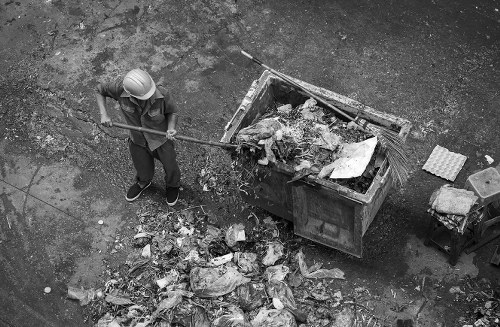 Purpose and scope. This Health and Safety Policy sets out the commitment of the flat clearance operation to protect employees, contractors and members of the public during all aspects of flat clearance and rubbish removal Mortlake activities. The policy applies to all staff engaged in waste clearance, rubbish collection, furniture removal and related flat clearance services and to any sub-contractors working on behalf of the company. It is intended to provide clear, practical controls that minimise risk while ensuring legal compliance and best practice in waste handling and disposal.
Policy statement
We will manage hazards, prevent injury and control environmental impact. The company will maintain a safe workplace by implementing safe systems of work, providing sufficient training, and ensuring appropriate equipment and personal protective equipment (PPE) for all operations. Our commitment includes regular risk assessments for all flat clearance jobs and a proactive approach to reducing incidents in rubbish removal and Mortlake waste clearance activities.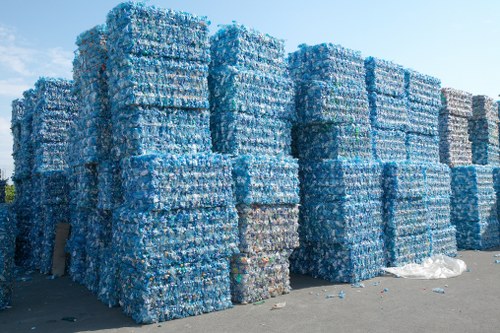
Responsibilities
Managers and supervisors must ensure that: a) risk assessments are completed and up to date; b) staff receive relevant instruction and supervision; and c) safe work procedures are implemented for domestic and commercial flat clearance tasks. Employees must follow instructions, use PPE correctly, report hazards or incidents promptly and participate in training. Contractors engaged for specialised services must comply with this policy and demonstrate competence in rubbish removal services.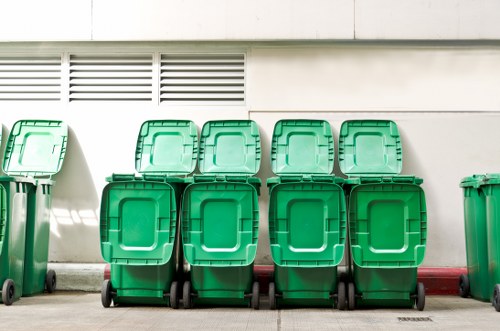
Risk assessment and control measures
Risk assessments will identify manual handling hazards, sharps, electrical risks, hazardous materials, trip and fall hazards, and vehicle loading/unloading risks. Controls include planning lifts, using trolleys and lifting aids, segregating hazardous waste, employing safe stacking techniques, and ensuring vehicles are loaded to safe limits. Controls will be proportionate to the risk and reviewed when tasks or conditions change.Safe systems of work will be developed for routine tasks such as bulky waste removal, mattress disposal, appliance collection and separation of recyclable materials. These systems will detail steps to be taken, PPE requirements, exclusion zones, communication protocols and emergency actions. Staff will be required to use protective gloves, hi-vis clothing, safety footwear and any task-specific protective equipment such as face masks or eye protection when necessary.
Training and competence. We will ensure that employees receive induction training and ongoing refresher courses relevant to flat clearance and waste removal operations. Training covers manual handling techniques, COSHH awareness for hazardous substances that may be encountered during clearances, vehicle safety, safe use of tools and equipment, and procedures for encountering sharps or suspected hazardous materials. Competence will be assessed through observation and periodic checks.
Handling hazardous items and waste segregation
The policy emphasises correct segregation and handling of hazardous items such as chemicals, asbestos-containing materials, batteries, paint, and electronic waste. Staff must not attempt to dismantle suspicious materials; instead, they should isolate the items and notify a supervisor. Where specialist disposal is required, authorised waste carriers and licensed facilities will be used to ensure regulatory compliance in rubbish removal services.Equipment and vehicle safety. All vehicles and equipment will be maintained and inspected regularly. Drivers and loaders must ensure secure load restraint, correct use of tail lifts and safe parking practices when collecting waste or performing flat clearance tasks. Routine checks and documented maintenance schedules will reduce the likelihood of mechanical failures that could lead to injury or environmental harm.
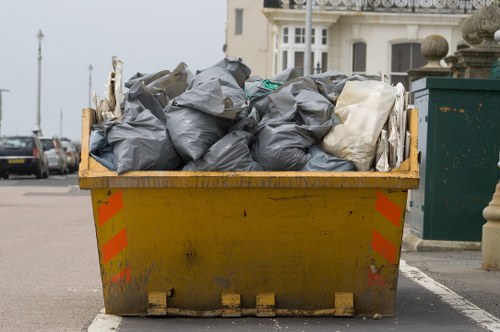 Incident reporting and investigation. All accidents, near misses and dangerous occurrences must be reported immediately and recorded. Incidents will be investigated to identify root causes and to implement corrective actions. Lessons learned will be shared with staff, and where appropriate, procedures will be updated to prevent recurrence. This includes prompt reporting of environmental releases or fly-tipping risks associated with waste clearance.
Monitoring, review and continual improvement
We will monitor health and safety performance through regular site inspections, toolbox talks, audits and review of incident records. Key performance indicators for the rubbish collection and flat clearance service include number of incidents, completion of training, equipment inspections and customer site risk reviews. Annual policy review and when organisational or operational changes occur will ensure continued relevance and effectiveness.Employee wellbeing and occupational health. The organisation recognises the importance of employee wellbeing. Measures include provision of adequate rest breaks, access to health and welfare facilities, and support for employees reporting work-related ill-health attributed to manual handling, dust exposure or other occupational risks. Where appropriate, occupational health referrals will be made.
Contractors and third-party management. Third parties engaged to support flat clearance work must demonstrate compliance with safety standards equivalent to those in this policy. Contractor competence checks, insurance verification and clear scope of work documentation will form part of the contractor approval process to ensure safe collaboration during rubbish removal and waste handling operations.
Policy governance. This Health and Safety Policy will be communicated to all employees and relevant stakeholders. It is the responsibility of senior management to ensure that adequate resources are allocated to implement and maintain the policy. The organisation is committed to continuous improvement and to ensuring that flat clearance and rubbish removal services are delivered in a manner that protects health, safety and the environment.