Narrow access rubbish removal for Mortlake terraces
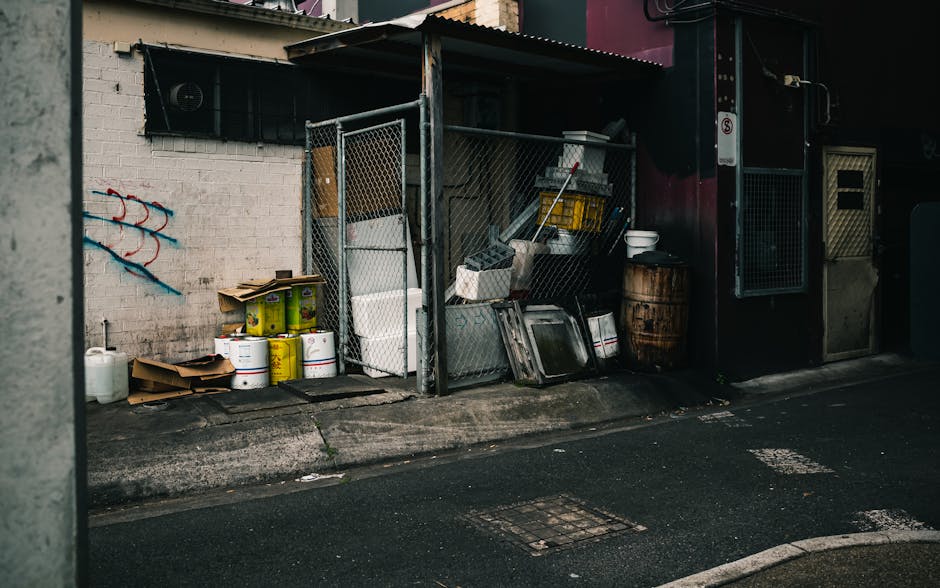
If you live in one of Mortlake's terraces, you already know the awkward bit is rarely the rubbish itself. It's the side passage that narrows halfway down, the steep step at the back gate, the tight hallway, the neighbour's parked car, the bicycle leaning where it shouldn't be. That is exactly why narrow access rubbish removal for Mortlake terraces needs a more thoughtful approach than a standard clear-out. You need a plan that respects the layout, protects the property, and gets the waste out without a dozen small dramas along the way.
In this guide, we'll break down how narrow access clearance works, why it matters in Mortlake, what to expect on the day, and how to avoid the common mistakes that make a simple job feel far more difficult than it should. We'll also cover practical checks, compliance points, and the small details that save time and stress. Truth be told, those small details are usually the difference between a smooth removal and a messy afternoon.
Why Narrow access rubbish removal for Mortlake terraces Matters
Mortlake terraces often come with the kind of access that looks fine at a glance and then turns awkward once you actually start moving bulky waste through it. Narrow side returns, shared walkways, enclosed rear lanes, and older doorways can all make rubbish removal slower, noisier, and more likely to cause scuffs or accidental damage. If you've ever tried to pivot a wardrobe through a tight hallway, you'll know the feeling. It's a bit like trying to park a van in a gap designed for a hatchback.
What matters most is that a narrow-access job should be designed around the property, not forced through it. That means planning the route, choosing the right lifting method, and deciding whether items need to be dismantled before they move. Done well, this protects plasterwork, bannisters, paving, and shared entrances. Done badly, you can end up with scratched paint, blocked passageways, or extra labour you never budgeted for.
There's also the neighbour factor. In terrace streets, access is often shared or visually open, so a tidy, efficient clearance is simply better manners. You can usually tell when a crew knows what they're doing: they move calmly, they leave the route clear, and they do not turn the front step into a holding bay for every item in the house. Little signs, but important ones.
Expert summary: narrow access removal is less about brute strength and more about route planning, item handling, and good judgement. If the access is tight, the job should be treated as a controlled move, not just a pile of waste being shifted from A to B.
How Narrow access rubbish removal for Mortlake terraces Works
The process usually starts with a quick assessment. A good team will ask about the type of waste, the amount, and the access constraints: front path width, side return, rear alley, stairs, basement steps, parking restrictions, and whether any items need disassembly. If you are booking online, photographs help. A few clear pictures often tell the story better than a long description ever will.
After that, the removal method is chosen. For narrow-access work, this might mean manual carrying, smaller loads, protective moving blankets, dismantling furniture, or staging items in a controlled order so the path stays usable. In some cases, a team will also suggest separating reusable items from general waste before they arrive, which reduces the number of trips and can help with responsible disposal.
On the day, the crew should protect floors and touch points where needed, remove items with minimal disruption, and keep the route as clear as possible. In tight terrace properties, efficiency matters, but so does calm. The best jobs feel almost uneventful from the outside, which is exactly what you want. No fuss, no rush, no drama at the gate.
For larger or mixed loads, a provider may combine narrow-access clearance with other services such as house clearance, furniture clearance, or general waste removal. That can be useful when a terrace has accumulated a bit of everything over time - old shelving, broken chairs, bags from the loft, and the sort of odds and ends that never quite get dealt with.
What usually needs special handling
- Bulky furniture that won't turn easily in hallways
- White goods and appliances with awkward weight distribution
- Fragile items that may bump walls or bannisters
- Waste stored in lofts, basements, or rear courtyards
- Mixed loads with recycling, bulky rubbish, and general waste all together
Key Benefits and Practical Advantages
The obvious benefit is simple: the rubbish gets out. But for narrow terrace properties, the real value is in how it gets out. When the team understands access constraints, you avoid unnecessary damage, reduce time on site, and keep the whole experience more manageable for everyone involved.
Here are the practical advantages people usually notice first:
- Less disruption: a planned route means less time standing around with doors open and hallways blocked.
- Lower risk of damage: careful handling protects walls, floors, corners, and shared entries.
- Better use of space: narrow-access work often needs smarter stacking and loading, not just more manpower.
- Cleaner finish: a good crew tidies as they go, so the property does not look half-cleared and abandoned.
- More flexible for old buildings: terraces with uneven steps or awkward landings can still be handled sensibly.
There is also a quiet emotional benefit. A cluttered terrace can start to feel smaller than it really is. Once the excess is gone, rooms breathe again. The kitchen feels less boxed in, the back room feels usable, and the sense of pressure lifts a bit. You notice it in the morning, sometimes before the kettle has even boiled.
If the waste includes worn-out seating, mattresses, or white goods, it may be worth looking at specialist options like mattress and sofa disposal or fridge and appliance removal. That can make planning easier and reduce last-minute confusion.
Who This Is For and When It Makes Sense
This service makes sense for anyone dealing with waste in a Mortlake terrace where access is not straightforward. That could be homeowners, landlords, tenants at the end of a tenancy, property managers, or tradespeople finishing a small renovation. Let's face it, terrace streets can be charming and inconvenient at the same time.
You may need this kind of removal if:
- your side passage is too narrow for large items to be carried easily
- you have furniture stored in a rear room, loft, or cellar
- the front access is tight because of steps, railings, or parked cars
- you are clearing multiple bulky items after a move or refurbishment
- you want to avoid hiring a skip where access or placement is awkward
It also makes sense when time matters. A family preparing a move-out, a landlord trying to turn around a property, or someone recovering from a burst of accumulated clutter all benefit from a removal plan that is realistic rather than heroic. Heroic is overrated, honestly.
If your job includes building debris or renovation offcuts, you may also find builders waste clearance useful. For lighter household jobs, a smaller service such as home clearance may be enough, especially if the access issue is the main complication rather than the volume itself.
Step-by-Step Guidance
Here is a practical way to approach narrow-access rubbish removal without making it harder than it needs to be.
- Walk the access route first. Check the front path, side return, rear garden gate, stairs, and any internal doors the items must pass through. Note where the tightest point is. It is usually obvious once you look properly.
- Measure the awkward items. Wardrobes, sofas, filing cabinets, and appliances are the usual suspects. A tape measure can save a lot of guesswork. If it looks close, it probably is close.
- Group waste by type. Keep furniture, bagged rubbish, electrical items, and garden waste separate if possible. This speeds up loading and helps with sorting for disposal or recycling.
- Clear the route. Move shoes, plant pots, pushchairs, bins, and anything else that might catch a shoulder or wheel. The less clutter in the path, the better.
- Decide whether items need dismantling. Removing a table leg or taking apart a bed frame can turn an awkward carry into a straightforward one.
- Book the right level of service. Be honest about the access. A narrow terrace job needs a team prepared for careful handling, not a generic one-size-fits-all removal.
- Protect the property. Use floor coverings or padding where needed, especially around corners, painted walls, and any shared hallway.
- Check the final sweep. Before the crew leaves, look at the route again. It should feel like someone was there, but not as if someone had been wrestling a wardrobe through it.
If you are unsure whether a certain item can be collected, a service page such as what can go in a skip can be a useful reference point for general waste categories, even if you are not actually using a skip. Different methods still tend to follow the same broad sorting logic.
Expert Tips for Better Results
In our experience, the jobs that go most smoothly are the ones where the customer gives a little context upfront. Not a novel. Just enough detail to help the crew plan properly.
Here are a few tips that genuinely help:
- Send photos of the access, not just the rubbish. A picture of the side passage, the stairs, or the gate can matter more than a picture of the sofa.
- Be precise about upstairs or basement items. A loft clearance is very different from carrying bags from the front room.
- Leave working room near the items. Even an extra half-metre can make carrying safer.
- Keep fragile things separate. Mirrors, lamps, glass shelves, and framed items are best handled as their own category.
- Plan around parking where possible. In terrace streets, the distance from the van to the door can change the whole feel of the job.
- Ask about recycling and reuse. Some items can be diverted from general waste if they are still in decent condition or can be broken down cleanly.
One more thing: if you have a mix of waste from a garage, loft, and garden, it can help to stage everything in one clear area before collection. That way the crew is not constantly zig-zagging around the property. People sometimes underestimate how much time those tiny detours add up to. Tiny, but real.
For ongoing clutter or a particularly full property, loft clearance, garage clearance, and garden clearance can all be relevant if the waste is spread across more than one area. A terrace often turns into a series of hidden storage pockets. That is just how these homes work sometimes.
Common Mistakes to Avoid
The biggest mistake is assuming narrow access is a minor detail. It usually is not. A few inches can decide whether a removal is quick, awkward, or impossible without dismantling something.
Other mistakes crop up all the time:
- Underestimating item size: a sofa that looked manageable in the lounge becomes a different story at the stair turn.
- Forgetting about fixed obstacles: radiators, banisters, meters, and tight door swings catch people out.
- Leaving the access cluttered: bins, bikes, and plant pots can become trip hazards very quickly.
- Not separating hazardous or restricted waste: some items need special handling and should not be mixed with normal rubbish.
- Booking the wrong vehicle or crew size: too small, and the job drags on; too large, and access may be a problem before the lifting even starts.
Another common one is trying to "just squeeze it through" rather than stopping to dismantle the item. That can work once in a while, but often it leads to chipped paint, bent fittings, or a very awkward silence in the hallway. Nobody enjoys that moment.
If the load includes restricted items, look at dedicated options such as hazardous waste disposal. And if the removal is part of a more sensitive job, office clearance or confidential shredding may be useful alongside a general clearance plan.
Tools, Resources and Recommendations
You do not need specialist gear at home to prepare well, but a few basic tools help a lot. A tape measure, torch, gloves, sturdy bags, and maybe a screwdriver set for dismantling small items can make a surprising difference. If you are sorting through a full terrace property, a marker pen and a few labels are handy too.
For planning, these resources on the site are worth a look:
- pricing and quotes if you want to understand how estimates are usually put together
- insurance and safety for peace of mind around handling and protection
- recycling and sustainability if you want waste directed responsibly
- health and safety policy for the kind of standards a professional provider should have in place
- book online if you want to move quickly once you've measured up
A small but useful recommendation: keep one folder or note on your phone with photos of the access, approximate item sizes, and any restrictions. If you need to get more than one quote, that little bundle of information saves a lot of repeated explaining. And yes, explaining the same narrow gate three times can get a bit dull.
Law, Compliance, Standards, or Best Practice
Any rubbish removal in the UK should be handled with care, especially where transport, disposal, and sorting are involved. You do not need to become a compliance expert to book a service, but it helps to know the basics. A professional provider should operate with appropriate waste handling practices, carry suitable insurance, and take responsibility for lawful disposal routes.
For Mortlake terraces, best practice also includes respecting shared access and neighbouring properties. That means keeping pathways clear, avoiding damage to communal areas, and not leaving materials in places that could obstruct others. If a job involves sharp items, heavy lifting, electrical appliances, or potentially hazardous material, the team should manage those risks properly and in line with accepted safety procedures.
If you are a landlord, letting agent, or homeowner arranging clearance after tenants leave, it is sensible to keep records of what was removed and when, especially for mixed loads. Not because every job becomes a legal puzzle, but because clarity helps if questions come up later. A bit of paperwork. Not glamorous, but useful.
Some services also align their work with broader sustainability expectations by separating recyclable materials where practical and avoiding unnecessary landfill use. That does not mean every item can be reused or recycled, of course, but a responsible operator should be able to explain the general approach without sounding vague.
Options, Methods, or Comparison Table
There are a few ways to deal with rubbish in a narrow-access terrace. The best option depends on the amount of waste, the type of items, and how tricky the route is. Here is a simple comparison to help you think it through.
| Method | Best for | Pros | Watch-outs |
|---|---|---|---|
| Manual narrow-access removal | Bulky items, tight hallways, awkward terraces | Flexible, careful, ideal for difficult access | May take more time if the load is large |
| Skip hire | Larger volumes of mixed waste | Good for ongoing projects, clear container on site | Can be awkward where parking or placement is limited |
| Bagged rubbish collection | Lighter domestic waste, quick tidy-ups | Simple, efficient, easy to stage | Not suitable for bulky furniture or heavy items |
| Partial dismantling plus removal | Wardrobes, beds, tables, large shelving | Makes access easier, reduces damage risk | Needs time, tools, and careful handling |
For some Mortlake terraces, the smartest option is a mixed approach. A few items are dismantled, some bags are grouped, and the rest are carried out in measured loads. That flexibility is often what makes the job feel easy, even if the property itself is not.
If you are also comparing clearance methods for other parts of the home, the site's flat clearance and house clearance pages can help you judge the scale of service you need. For some jobs, especially smaller terrace clear-outs, that comparison is enough to make the decision clearer.
Case Study or Real-World Example
A typical Mortlake terrace scenario might look like this: a homeowner has a broken sofa, two old armchairs, several black bags, a wardrobe from the rear bedroom, and a stack of cardboard from a recent delivery spree. The side access is narrow, the rear gate catches slightly on the frame, and the hallway turns sharply halfway through.
Instead of trying to force everything through in one go, the crew checks the route first, removes the gate obstruction, and dismantles the wardrobe into manageable pieces. The sofa is carried in a controlled path with padding at the tighter corners. Cardboard is flattened and stacked separately, which helps loading and keeps the passage usable. The whole job feels calm, almost ordinary, which is usually the sign of a good result.
The homeowner's main comment afterwards is not about the removal itself. It is about how much bigger the room feels when the clutter is gone. That is a common reaction. Once the visual noise disappears, terraces often feel brighter and easier to live in, even before anything else changes.
Sometimes the job turns out to be more layered than expected. For example, a terrace clearance may uncover old storage from a loft, furniture from the dining room, and a few appliance items in the kitchen. In that case, a more complete service can be sensible, especially if you need furniture disposal as part of the wider removal plan.
Practical Checklist
Use this checklist before booking or on the morning of the collection. It keeps things calm and avoids last-minute scrambles.
- Measure the narrowest access point
- Photograph the route from street to waste
- Identify bulky or awkward items
- Separate general rubbish from appliances and special waste
- Clear shoes, bins, bikes, and plant pots from the path
- Check whether items need dismantling
- Confirm parking or stopping restrictions nearby
- Keep fragile items away from the main route
- Ask about recycling and responsible disposal
- Make sure someone is available to answer access questions if needed
If you are dealing with a full property rather than a single load, it can help to run through the checklist room by room. Kitchen, lounge, loft, garden, then the access route. That order tends to keep the job focused. A little boring, maybe, but effective.
Conclusion
Narrow-access rubbish removal for Mortlake terraces is all about working with the property, not against it. When the access is tight, the best outcomes come from planning, careful handling, and a service that understands the realities of older terrace layouts. You do not need chaos, and you certainly do not need unnecessary damage. You need a clear route, sensible preparation, and a team that knows how to move awkward items without turning the place upside down.
If you are weighing up your options, start with the access route, the item sizes, and the waste type. That alone will usually point you towards the right solution. From there, it becomes much easier to decide whether you need a small collection, a full clearance, or something in between. And once the last item is gone, the difference can feel bigger than expected. The house settles. The space opens up. Nice feeling, really.
Get a free quote today and see how much you can save.
When a terrace has been cleared properly, you notice the calm straight away. That quiet, uncluttered reset has a way of making the whole home feel kinder to live in.
Frequently Asked Questions
What counts as narrow access rubbish removal in a Mortlake terrace?
It usually means any removal job where the route in or out is tight, awkward, or restricted by steps, hallways, side passages, shared entrances, or rear lanes. The waste might be ordinary household rubbish, bulky furniture, appliances, or a mix of items that need careful handling.
Do I need to dismantle furniture before collection?
Not always, but it often helps. If a wardrobe, bed frame, or table is too large for the route, dismantling can make the job safer and faster. Many providers can advise on this from photos or measurements before they arrive.
How do I know if my terrace access is too tight?
If you have to angle items sharply, lift them over steps, or squeeze through a narrow corridor, the access is probably tight enough to need specialist planning. A quick photo set is usually enough for an experienced team to judge whether it is manageable.
Is narrow access removal more expensive?
It can be, depending on time, labour, item type, and how much dismantling is needed. That said, careful planning often prevents damage and delays, which can save money overall. It is worth asking for a clear quote based on the actual access conditions.
Can you remove furniture from a basement or loft in a terrace?
Yes, if the access route allows it and the items can be moved safely. Basements, lofts, and rear rooms often need a bit more preparation, especially where stairs are steep or turns are tight. Photos and measurements help a lot here.
What if I live on a busy Mortlake street with limited parking?
That is common enough. A provider may need to plan loading carefully, consider timing, or work with shorter carrying distances. It helps to mention parking restrictions in advance so the crew can prepare properly.
Can I mix garden waste, furniture, and general rubbish in one removal?
Often yes, but it depends on the service and the waste type. Mixing categories can be convenient, though some items may need to be separated for safety or recycling. If you have anything unusual, mention it before collection.
How quickly can narrow access rubbish be removed?
That depends on the volume, the access, and how much sorting is needed. Small loads can be quick, while larger terrace clearances may take longer. If timing matters, say so early - sometimes a same-day slot is possible, but not always.
What should I prepare before the team arrives?
Measure the access, take a few photos, clear the route, and separate any items that need special treatment. If you can, keep the items grouped in one place so the crew can start efficiently. It sounds basic, but it really helps.
Are there items that need special handling?
Yes. Fridges, appliances, some chemical products, sharp materials, and certain damaged items may need specific handling. If you are unsure, ask before the collection rather than leaving it to chance. That is the safer option, always.
What happens if the access turns out to be tighter than expected?
A professional team will usually reassess the route and decide whether an item can be moved safely, dismantled, or carried in smaller sections. In rare cases, a different approach may be needed. It is better to pause and adapt than force the issue and risk damage.
Can narrow access removal still be eco-friendly?
Yes. Responsible services will sort waste where practical, separate recyclable materials, and avoid sending everything to landfill by default. If sustainability matters to you, ask how the provider handles sorting and disposal before you book.
What is the best first step if I am unsure which service I need?
Take photos of the items and the access route, then compare the job against house clearance, furniture clearance, or general waste removal. That usually makes the choice much clearer. If in doubt, start small and ask a few questions - it saves time and stress later.
Where can I find more information about the company and policies?
You can review the site's about us, insurance and safety, recycling and sustainability, and terms and conditions pages for more context on how the service is structured and handled.